
 Ashmaad
HARO Pitch Experience: What Two Months of Cold Pitching Journalists Taught Me
I run a small tech site by myself. Most of my link building so far has come from the usual grind: guest posts, directory listings, a few link exchanges through niche groups and direct messages. None of it feels great. Guest post markets are full of people selling links, not earning them.
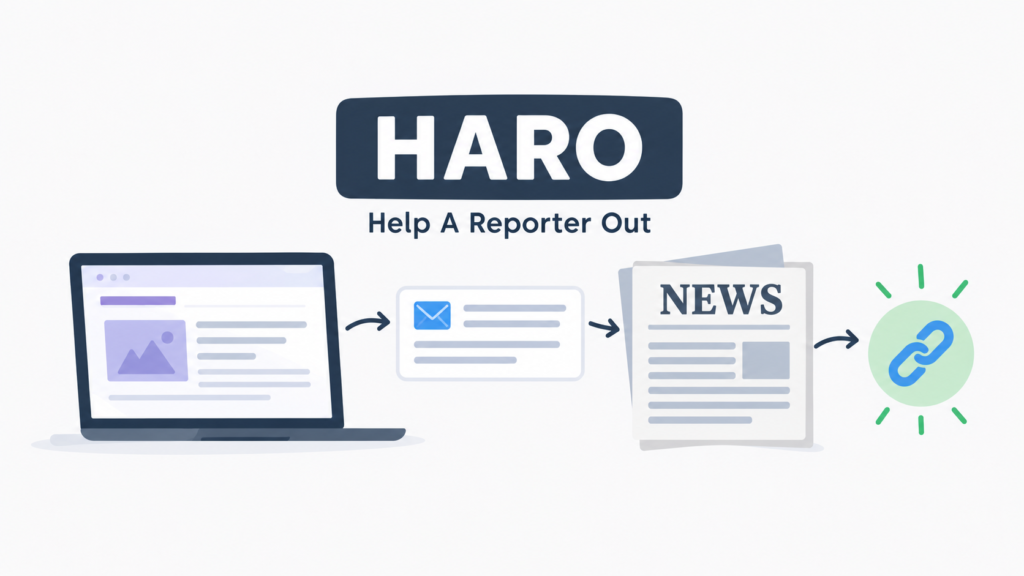
So two months ago I signed up on HelpAReporter.com as a source and sent my first HARO pitch. The idea behind HARO link building is simple. Reporters post requests for expert quotes. You reply if you actually have something to say. If they use your quote, you usually get a real editorial backlink from a real publication, not a paid placement.
I want to walk through four real HARO pitch examples and what actually happened with each one, because most HARO guides talk in generalities. Sign up. Reply fast. Be an expert. None of that tells you what it feels like to actually do it as a one person blog with no name recognition behind it.

The Internet Is Full of AI Slop Nobody Asked For
What Is HARO and What Does a HARO Pitch Actually Look Like?
HARO stands for Help A Reporter Out. Journalists post requests for quotes from real people with real experience on a specific topic. You reply if you have something honest to add. If a reporter uses your quote, you get credited and usually linked back to your site, all without paying for the placement.
That is the pitch, at least. What it actually feels like to do this kind of journalist outreach for two months as one person with no existing name in the industry is a different story.
Read about Best LLMs in 2026 for coding.
Pitch One: The Rejection That Taught Me the Most
My first HARO pitch went to TechRound, responding to an unpopular opinion style request about Google Ads. I gave my honest take on ad sequencing, something I had actually tested on my own site’s ad account, and signed it with my real name and title instead of a generic byline.
It got declined. The editor wrote back and told me directly that it was not a quality problem. She just gets too many responses to use all of them. Then she invited me to reach out directly next time instead of going through the open HARO request.
That stung less than I expected. A flat rejection with no explanation would have told me nothing. A rejection that says you were good enough, just outnumbered, and hands you a direct line for next time is a completely different outcome dressed up as the same word: declined.
The lesson: in a channel built entirely around volume, a personal reply is a bigger signal than most people give it credit for. It does not get you today’s backlink. It might get you next month’s.
Pitch Two: Bringing Something Real to the Table
My second HARO pitch answered a Digital IT News request for an AI roundup piece on enterprise use cases. Instead of writing a general opinion about AI in business, I described something I had actually built: a working pipeline using n8n and the Anthropic API that turns RSS tech news into WordPress drafts automatically.
That pitch went out and got silence, which is the most common HARO outcome by a wide margin. No reply at all. Reporters get hundreds of responses to some requests, and most sources never hear back either way, regardless of how good the pitch was.
The lesson: silence is the default, not the exception. If you go in expecting most pitches to disappear into nothing, the ones that do respond feel like real wins instead of a broken system.
Pitch Three: The Reply I Did Not Expect
The third pitch went to an editor at a well known marketing publication, responding to a request about AEO, answer engine optimization for AI search tools. I described the specific things I had actually changed on my own site: short sentences, answer first formatting near the top of each article, and an llms.txt file I had set up to help AI crawlers understand the site.
The editor replied personally, thanking me for the pitch. No published quote came of it, at least not yet. But getting a direct, personal reply from someone well known in the marketing world felt different from a form rejection or silence. It told me the HARO pitch itself worked, even if the timing or the final story did not need my quote specifically.
The lesson: a personal reply from a real editor, even without a placement, is useful information. It tells you your pitch was specific enough to read as a real answer instead of a copy paste template.
Pitch Four: Going Deeper Into a Niche Topic
The fourth pitch went to an editor at Stripo, responding to a request about MCP, the Model Context Protocol, in email and AI automation workflows. This is where I leaned hardest into something genuinely technical: my own n8n and Anthropic API pipeline again, plus what I had learned reading through the WebMCP and Agentic Browsing specs.
This is the pitch I am proudest of, regardless of outcome. It was not a generic opinion dressed up as expertise. It was a specific, checkable thing I had actually built and actually understood.
The lesson: the pitches built around something concrete I had actually done, not just an opinion I happened to hold, felt stronger to write and got better responses. That pattern held across all four pitches, whether or not they landed.
Was This a HARO Success Story? The Honest Tally
Here is the honest tally after two months and four pitches. Zero published backlinks so far. One direct rejection with an invitation to pitch again privately. One total silence. One warm personal reply with no placement yet. One pitch still waiting to hear back.
If you are looking for a HARO success story where using HARO to get links landed me ten new backlinks in two months, this is not that article. What it actually gave me was something quieter: real signal on which pitches read as genuine versus which ones would have blended into the pile, and two editors who now know who I am before I ever pitch them again.
My Best HARO Tips for Starting From Zero
Lead with something you actually built or tested, not a general opinion. The pitches built around my own pipeline read completely differently from a pitch that could have come from anyone with an opinion on Google Ads.
Expect silence as the normal outcome, not proof that you are doing it wrong. Most pitches disappear. That is the format, not a signal about your writing.
Treat a personal reply, even a rejection, as progress. A form no and a human no that invites you back are not the same result, even though HARO’s dashboard will record them identically.
Sign your pitches with your real name and role instead of a generic byline. I have done this every time. It is a small thing, but it turns a source into a person an editor can actually picture emailing again.
Two months in, I do not have the backlinks to show for it yet. But I have two editors who have read my name twice now, and a much clearer sense of which pitches are worth sending. For a channel this noisy, that is not nothing.

